












Choose a setup that fits your household
No two families manage devices in quite the same way. Some homes need simple bedtime limits, others need separate rules for siblings with different ages, and many need help getting two households to agree on the same approach. Screenage works with families in Durbanville, Cape Town and across South Africa who want clear limits that are practical day to day.
If you are not sure where to start, think about who uses the devices, when the pressure points happen, and which routine needs the most support first. That might be school nights, weekend gaming, or keeping shared family spaces free of phones at certain times. The aim is not to add stress, just to set a plan that people can follow.
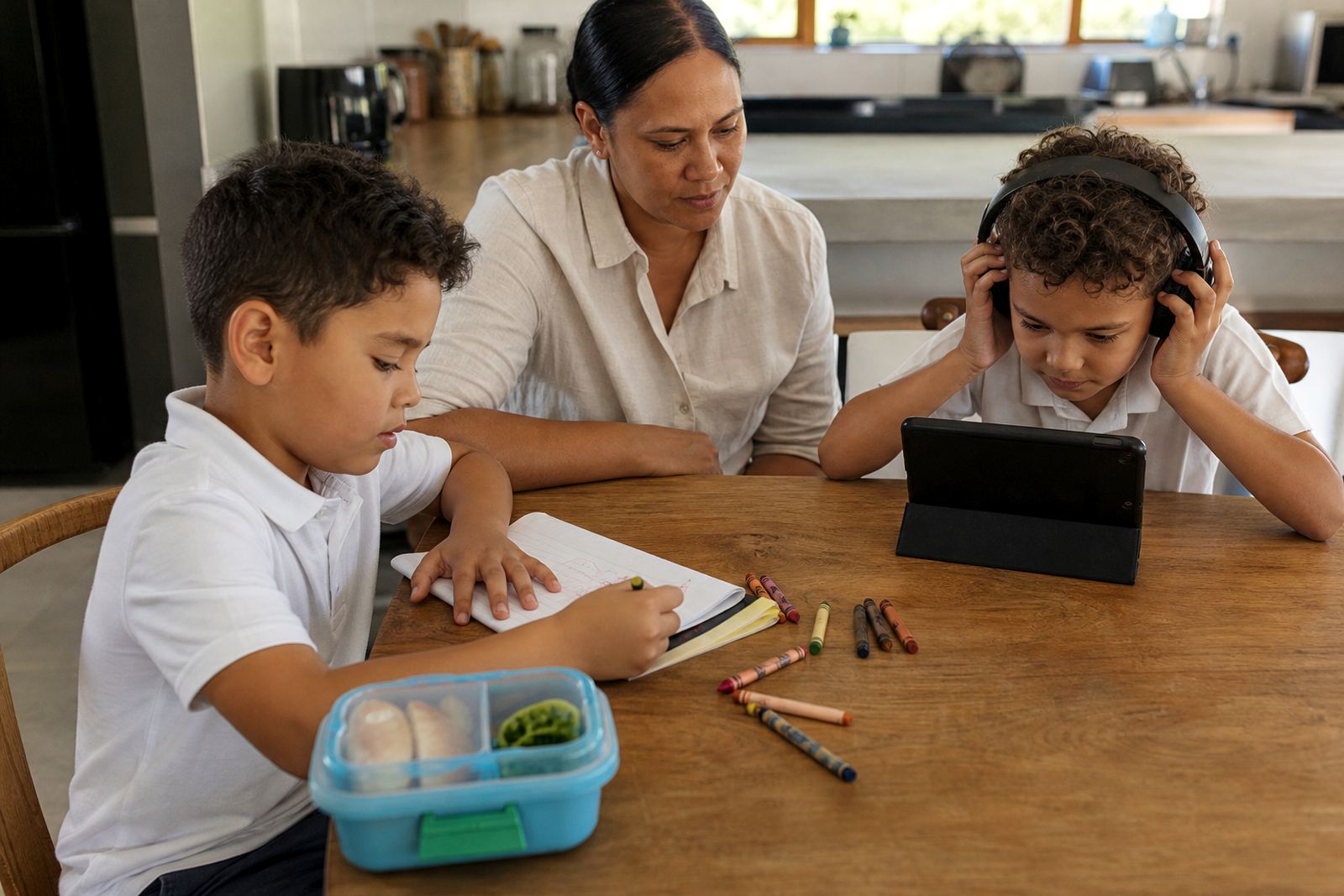
Families with younger children
Younger children usually do best with simple rules and visible boundaries. A family media plan can set screen-free times, app limits and shared device rules without making the home feel tense. For many parents, the biggest help is knowing that the rules are consistent from one day to the next.
- Short screen sessions with clear start and stop times
- Bedtime routines that keep devices out of the bedroom
- Parent controls for app access, web use and purchases
- Age-appropriate limits that can be adjusted as children grow
In busy homes, it also helps to agree on what happens when plans change.
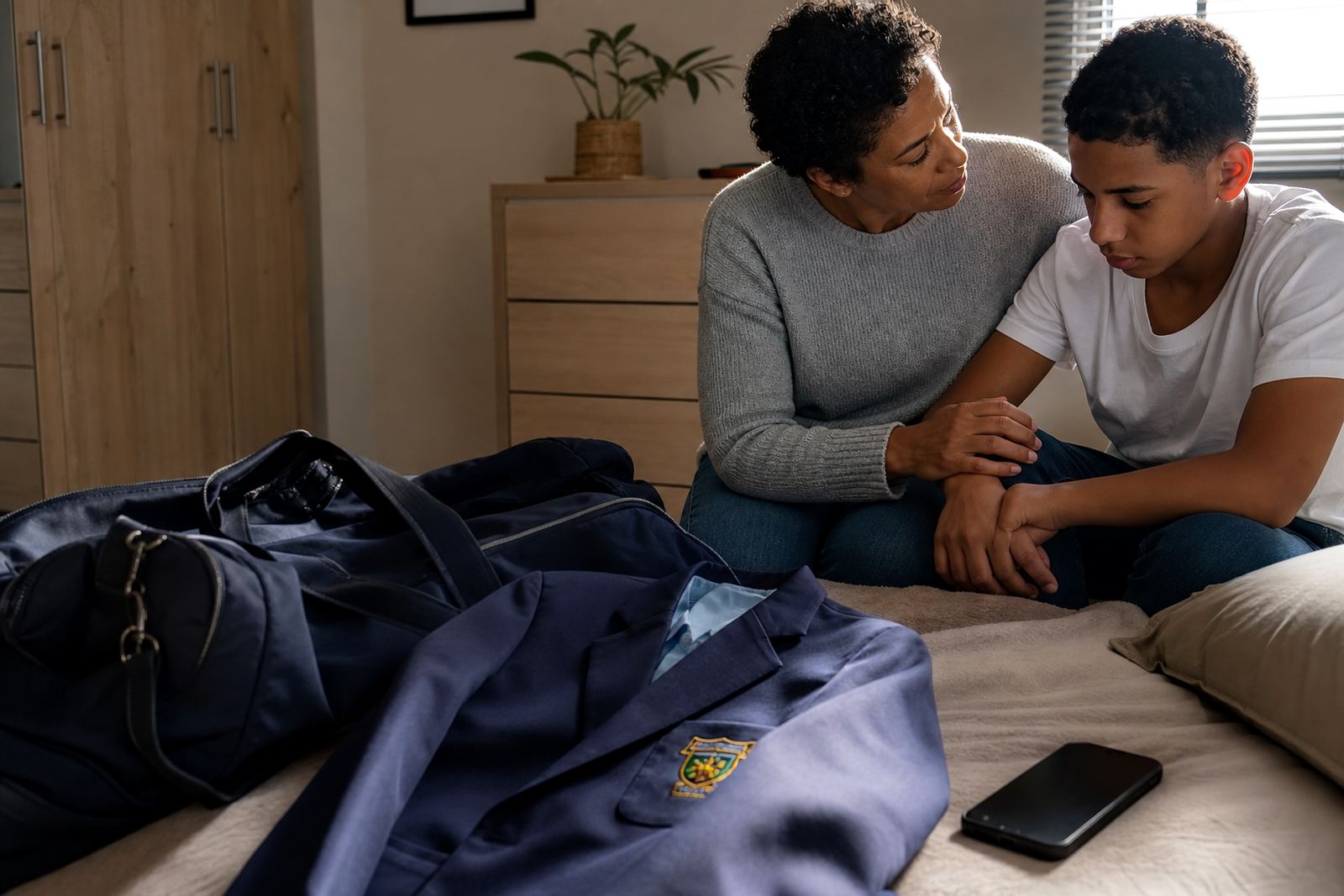
Teen households and growing independence
Teenagers often need more independence, but still benefit from clear guardrails around study time, sleep and social apps. A teen rule reset can help parents move from a child-focused setup to a more age-appropriate agreement. This is often where conversations about trust, privacy and responsibilities matter most.
Families can use parental controls alongside a written plan so everyone knows what is expected. That may include phone-free study blocks, gaming cut-offs during the week, or shared expectations for late-night messaging. If there are concerns about behaviour, mood or safety, speak to a qualified professional for advice rather than relying only on screen rules.
- Study-time planning for homework and exam periods
- Social app boundaries for messaging, posting and notifications
- Gaming time sessions that protect sleep and chores
- Regular check-ins so the rules do not drift over time
Blended homes and co-parenting arrangements
When children move between homes, screen-time rules can become confusing very quickly. One parent may allow more gaming, another may prefer shorter viewing windows, and children notice the difference straight away. A co-parenting alignment session helps both homes work from the same basic rules, even if the details differ a little.
The goal is to reduce arguments at handover times and avoid mixed messages. Families often find it useful to agree on device bedtime, homework access, and what happens during holidays or long weekends. For many households, one clear plan is easier than two separate systems that keep clashing.
Shared homes, siblings and fairness
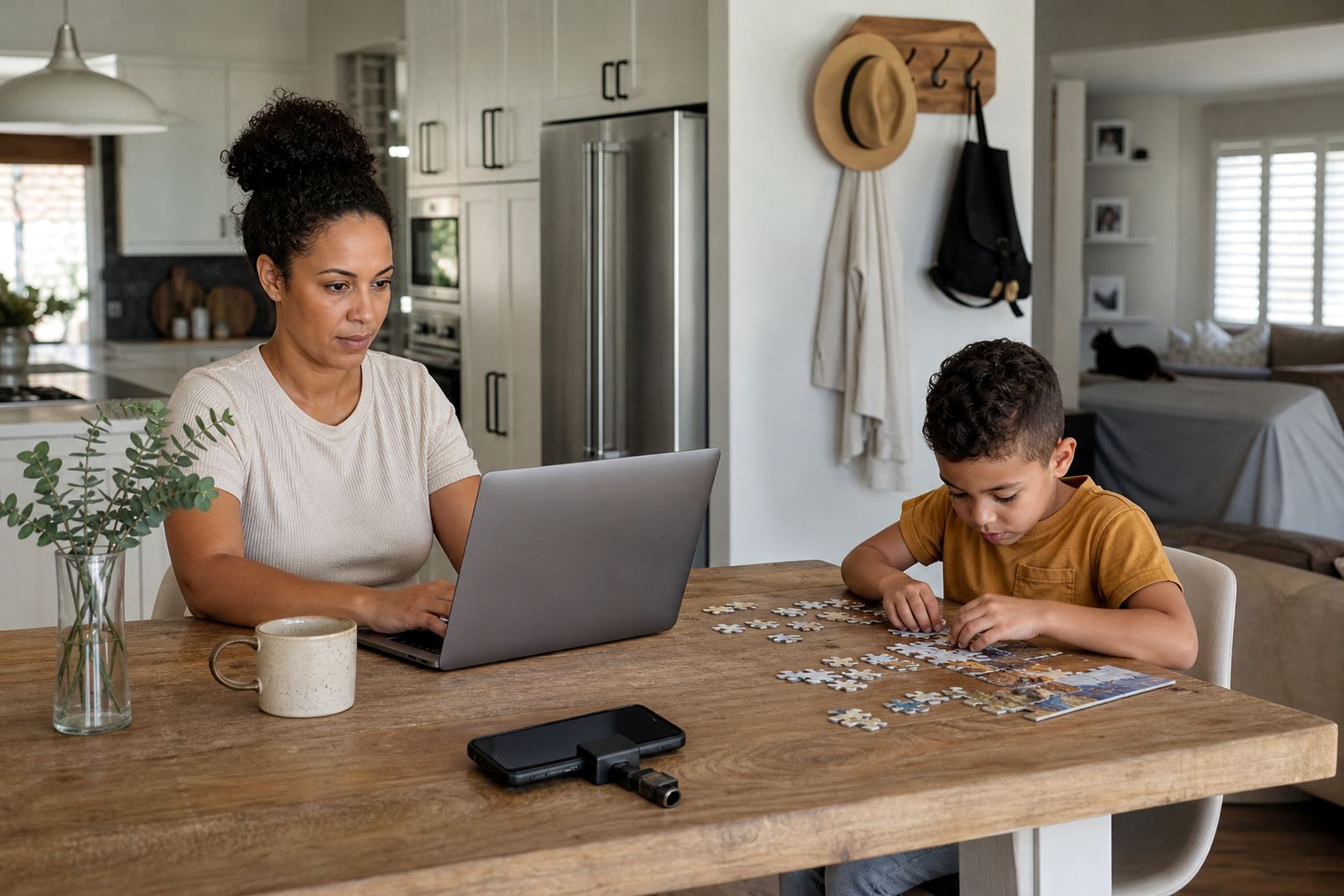
Homes with multiple children often need more than one rule set. A younger child, a teenager and a child using a device for schoolwork may all need different limits. A sibling fairness session helps families sort out what is equal and what is simply age-appropriate.
Practical fairness usually means matching access to the child, not giving everyone identical settings. That can include different app lists, different bedtime cut-offs and different study allowances. It also helps to decide how shared tablets, consoles and family devices are booked, so there is less conflict in the evening.
- Separate limits for school, play and social use
- Clear rules for shared devices in the lounge or study area
- Agreed turn-taking for siblings who want the same device
- Simple consequences that are known ahead of time
Grandparents, holiday care and extended family
Many South African families rely on grandparents, caregivers or relatives for school runs, aftercare and holiday support. That can work well, but only if the screen rules are easy to follow. A grandparent support session helps make the plan simple enough for anyone caring for the children to use confidently.
Holiday screen plans are useful too, especially when routines change in December, over Easter or during family visits. Families can set different limits for travel days, rainy weather or long stretches at home, while still keeping the main boundaries in place. Clear notes help everyone stay on the same page, even when the household is moving around.
How to decide what kind of support you need
If you are unsure which session fits best, start with the problem that causes the most friction. Is it bedtime, gaming, social apps, school focus or agreement between adults? That usually points to the right place to begin. From there, the family media plan can be shaped around the real routine rather than a one-size-fits-all approach.
Screenage supports families across Cape Town, Durbanville, Johannesburg, Durban, Pretoria, Bloemfontein, Gqeberha and Stellenbosch. For a family plan, write to Screenage through the contact page form with your children's ages and devices, and we use that first conversation to work out which type of household support will be most useful. Small changes can make a practical difference when the rules are clear and everyone knows why they matter.