



When Primary School Screen Use Starts To Need Structure
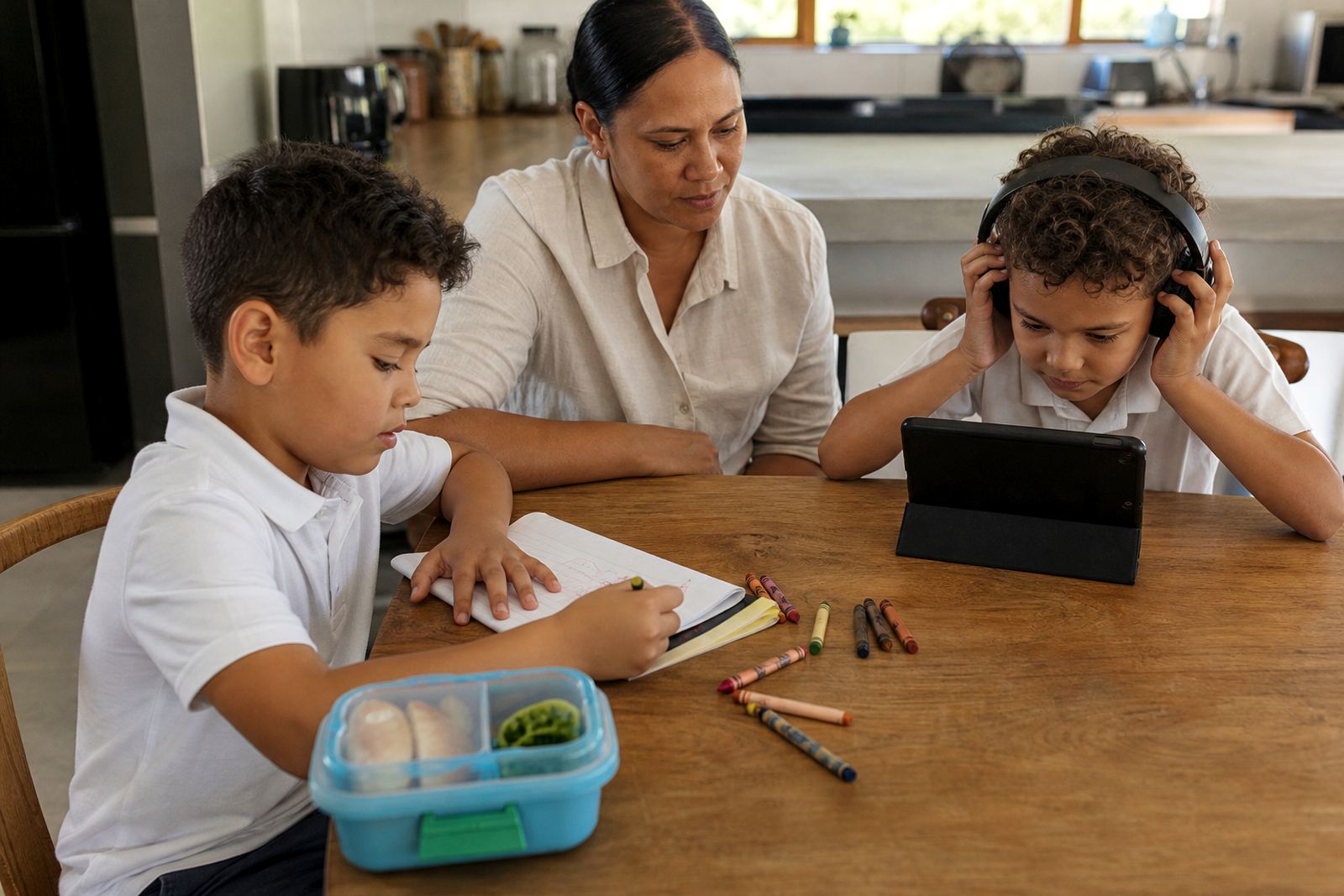
For many families, the need for a plan starts when a child gets their first phone, tablet or shared family device. In the primary school years, children may use screens for homework, reading apps, videos, music, games and chatting with cousins or classmates, so the line between useful and distracting can become blurry very quickly.
Parents in Durbanville, Cape Town and across South Africa often want clear rules that are easy to remember. That usually means a simple weekday schedule, a different weekend routine and a fixed rule for bedrooms at night. It also means deciding what happens when a child finishes homework early, has extra sport, or needs a device for school communication. Clear limits save arguments later because everyone knows the plan before the first request comes up.
Screenage is used by families who want support with these everyday decisions. The aim is not to make screens the enemy. It is to put them in their place, so there is time for reading, outside play, chores, family meals and sleep.
Typical Equipment In A Primary School Home
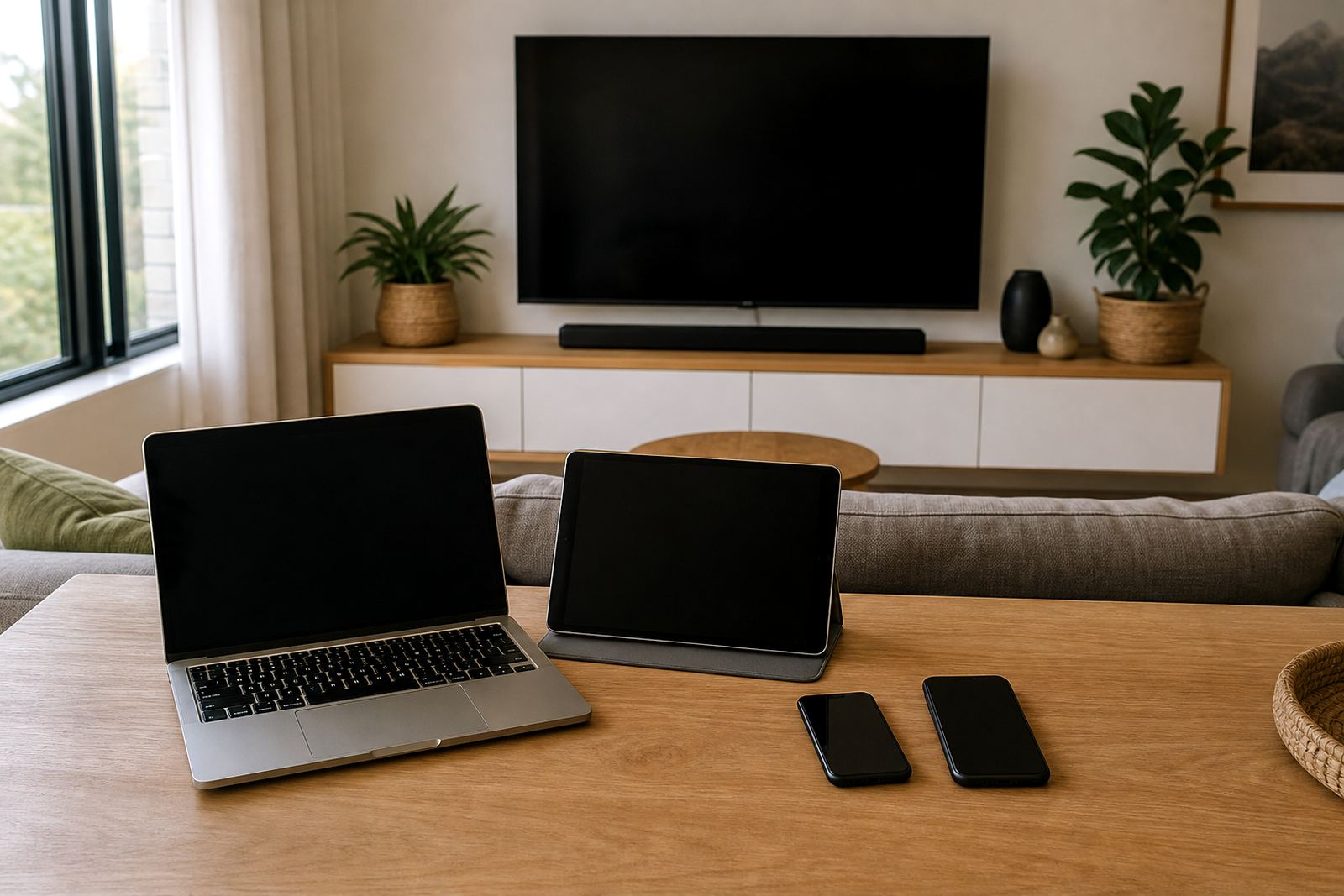
A primary school household usually has a small mix of devices rather than a full set-up. One child may use a hand-me-down phone with a SIM only for calls and family contact. Another may use a tablet for homework videos, spelling practice or drawing apps. Some homes also have a shared laptop, a smart TV and a gaming console in the lounge. Wi-Fi routers, chargers and school message accounts often matter just as much as the device itself.
It helps to list every screen in the home before setting any rules. That includes the spare phone in a drawer, the tablet used by siblings, and the TV in the study or living area. If a device is shared, decide who may use it, when it is charged and where it sleeps at night. In coastal areas like Cape Town and Durban, keep devices and chargers in a dry, ventilated spot to avoid damp damage, especially in rooms that stay closed most of the day.
- One primary device for homework and family communication
- A shared tablet or laptop for school work and reading apps
- A lounge TV or console with time limits and content settings
- Chargers stored in one spot, not in bedrooms overnight
- Wi-Fi access rules for school nights, weekends and holidays
A Family Media Plan That Fits Homework And Bedtime
A good family media plan starts with the times that already shape the day. For primary school children, that usually means before school, after school, after supper and the final hour before bed. The plan should state when screens are allowed, which apps or websites are open, and what to do when homework is not done yet. It should also explain whether the child can use a device in the car, at the table or in a sibling’s room.
Many families find it easier to use rules that are tied to routine rather than moods. For example, device time may begin after homework and reading are complete, or after a parent has checked the school bag. Bedtime use should be limited and preferably kept out of the bedroom. A lounge charging point works well because it removes the nightly battle over one more video or game.
If parents share care across two homes, the plan should be simple enough to follow in both places. Grandparents or after-school carers may also need the same rules written down. Screenage family support can help parents shape that plan into something practical, not perfect, but clear enough for the whole household to follow.
Common Mistakes Parents Make With Younger Children
One common mistake is setting a rule that sounds good on paper but is too hard to live with. A total ban on all screens after school may fail on week one if homework, traffic, late meetings and tiredness are not taken into account. Another problem is giving different answers every day, which teaches children to keep asking until the rule changes. Children do best when the limits are steady, even if they are not always happy about them.
Another issue is focusing only on time and ignoring content. A child can spend 20 minutes on a helpful app or 20 minutes on content that stirs up upset, begging or silly behaviour. That is why app access, age-appropriate settings and device placement all matter. It also helps to avoid using screens as the first response to boredom or frustration. A child who can always reach for a tablet may struggle more with waiting, reading or settling down without it.
- Changing the rule every few days
- Allowing screens in bedrooms at night
- Using screen time as the only reward or punishment
- Not checking what apps, chats or videos are actually being used
- Making a plan that only one parent knows about
What A Practical Setup Usually Costs In Rand
Families often ask what a sensible starting budget looks like. The answer depends on whether the home already has devices, whether the child needs a new phone, and whether the parent wants extra controls or coaching support. If you are using existing equipment, the main cost may simply be organising the plan and making the settings work. If a child needs a basic device for school contact and family use, the budget will be higher, and it is wise to keep the setup plain rather than loaded with extras.
As a rough guide, many households spend from about R0 to a quoted price to tidy up what they already have, such as buying a stand, charger, or small storage tray for the lounge charging spot. A basic child phone or tablet set-up can be quoted per job depending on condition and accessories. Families who want coaching, a plan for more than one child, or help with co-parenting routines may need to allow a separate service budget. Ask for a quote
It is usually better to start simple and add controls only where they are needed. A clear plan, one shared charging point and calm follow-through often go further than a pile of settings nobody remembers how to change.
Getting Support For A Primary School Home
Primary school families usually need advice that is practical, not heavy. Screenage works with parents who want help setting up limits, checking device routines, and agreeing on a plan that suits the child’s age and the family’s day-to-day life. That might mean a first phone plan, a holiday screen plan, a sibling fairness session, or a bedtime routine session. For families in Cape Town, Johannesburg, Durban, Pretoria, Bloemfontein and nearby areas, the goal is the same: fewer arguments and clearer boundaries.
If you are unsure where to begin, start with one question. What needs to happen in your home for homework, play and bedtime to work better? Once that is clear, the rest of the plan becomes much easier to shape. If there are concerns about behaviour, sleep or family strain, it is wise to speak to a qualified professional for guidance. Screen limits can support a calmer routine, but they are not medical or psychological advice.