




Start with one shared family rule sheet
Grandparents do best when the rules are written down in plain language. Keep the first page short and focus on the main points: when screens are allowed, which apps or games are okay, and what to do when a child asks for extra time. If there are different rules for school days and weekends, note that too.
For many families, it helps to keep a copy on the fridge and another in a bag or drawer near the charging point. That way, a grandparent caring after school in Durbanville or over the holidays in Bloemfontein does not have to guess. The aim is not to make the home feel strict, just clear.
- List the normal screen times for weekdays and weekends.
- Write down bedtime cut-off times for phones, tablets and games.
- Note any no-screen areas, such as the dinner table or bedroom.
- Include who to contact if there is a rule conflict.
Show them the app in five minutes, not fifty
Many grandparents only need the basic controls, not every setting. Show them how to check remaining time, how to see if a device has been locked for the day, and where to find the message if a child asks for more time. Keep the demo short and repeat it once if needed. A simple walk-through is usually better than a long explanation.
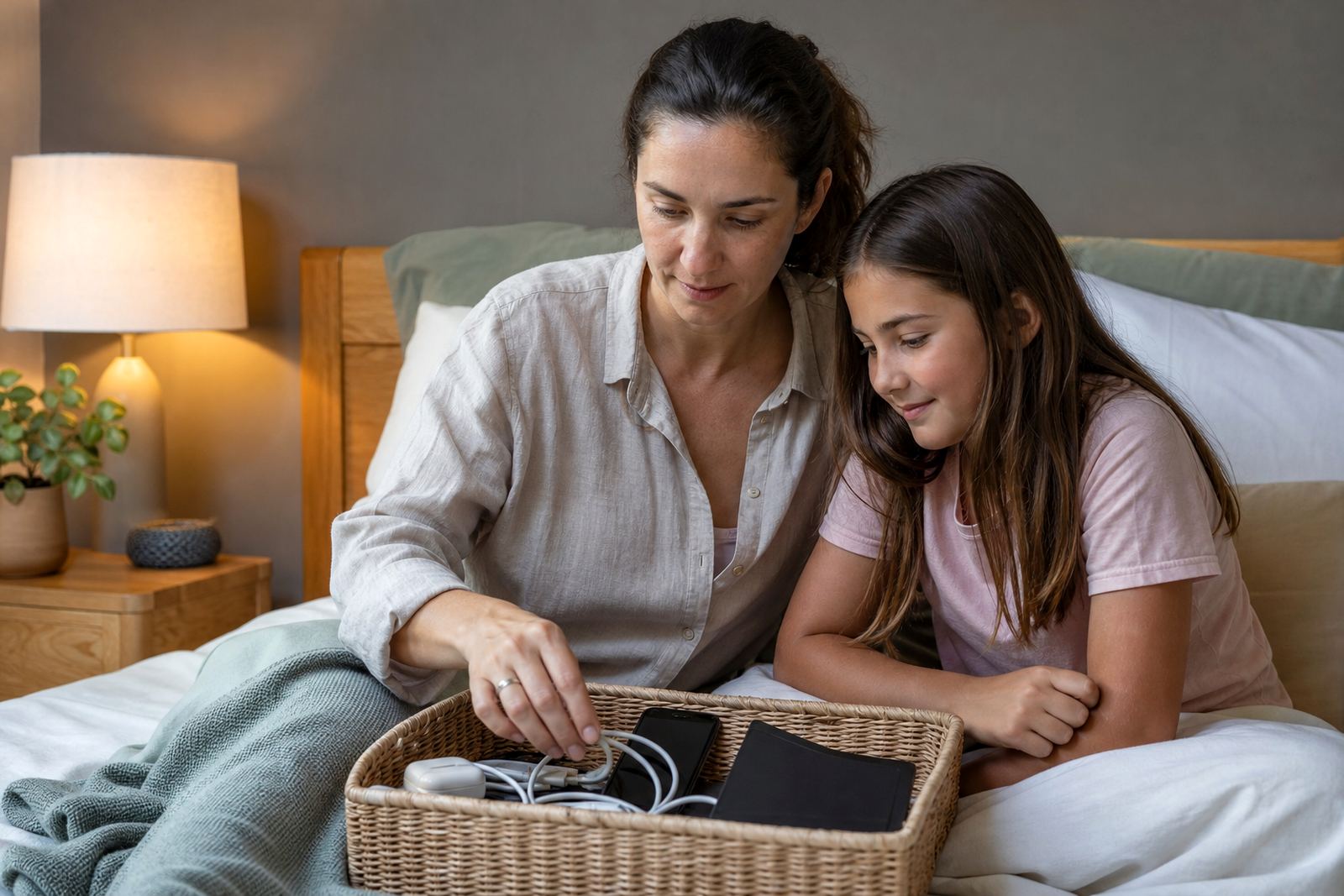
If the family uses a shared tablet or a child’s own phone, show the exact device they will handle most often. Some families prefer to keep chargers in one place and lock devices away after supper so there is less back-and-forth.
- Open the app and show the main home screen.
- Point out where to view screen-time limits.
- Demonstrate how to approve or decline extra time.
- Show how to pause access during meals or homework.
Match the rules to the grandparent’s day
Grandparents often help during school runs, afternoons, or weekends, so the rules should fit their routine. If they pick children up from school in Pretoria or watch them on a Sunday afternoon in Durban, they need to know what happens before homework, after supper, and during quiet time. A rule that works for parents may need a small adjustment for a different caregiver.
Talk through the common situations they will face. For example, a child may ask for a game while supper is being made, or a teen may want more social app time after sport. Agree on a simple response that keeps things calm. When everyone uses the same wording, children tend to settle faster.
- Before school: keep devices off unless the family has agreed otherwise.
- After school: allow time for snacks, homework and rest first.
- After dinner: switch to low-stimulation activity or no screen time.
- Before bed: devices go on charge outside the bedroom.
Explain the why, not only the rule
Grandparents are more likely to support the plan when they know why it exists. You do not need a long lecture. A simple explanation such as, “We are trying to keep sleep, homework and family time in balance,” is usually enough. This also helps children hear a consistent message from all adults in the home.
It can be useful to link the rule to ordinary family life. For example, screens off at dinner means everyone can talk. A bedtime limit means mornings are less rushed. A gaming limit before homework means the child gets work done first. If the grandparent understands the reason, they are less likely to feel they are being used as the strict one.
Screen-time guidance is general family support, not medical or psychological advice. If a child has persistent behaviour, sleep or wellbeing concerns, speak to a qualified professional.
Handle requests for extra time without a tug of war
Most disagreements happen when a child asks for “just five more minutes.” Agree in advance what the grandparent should say. The answer can be warm and firm at the same time: “The timer is done, you can try again tomorrow,” or “We stick to the family plan on school nights.”
If the app allows extra time, decide who may grant it and under what circumstances. Some families only allow extra time for homework, travel delays or special occasions. That way, the grandparent is not put in the middle of the argument. A consistent response also helps prevent different adults from giving different answers in one week.
- Use one standard phrase for ending screen time.
- Do not negotiate during meals or just before bed.
- Save exceptions for planned situations only.
- Tell the child when the next screen session will be.
Keep a simple check-in list for busy weeks
A short checklist makes it easier for grandparents to stay involved without carrying the whole plan in their head. Use it during the first few weeks, then review it after school holidays or when routines change. Families in coastal areas like Gqeberha may also want to adjust plans for holidays, visitors and longer stays, since the routine often shifts.
When everyone is travelling between homes, a family media plan can keep things steady. It does not need to be complicated. One page is enough if it covers bedtime, homework, games, social apps and where devices are charged. If the grandparent feels unsure, it is better to ask early than to guess.
- Has the child had homework time before screen time?
- Is the daily limit still the right one for today?
- Are bedtime and meal rules the same as usual?
- Does the grandparent know who to contact if something changes?
For families who want extra support, Screenage can help with a Grandparent Support Session or a Family Media Plan Session so the whole household is working from the same plan.