

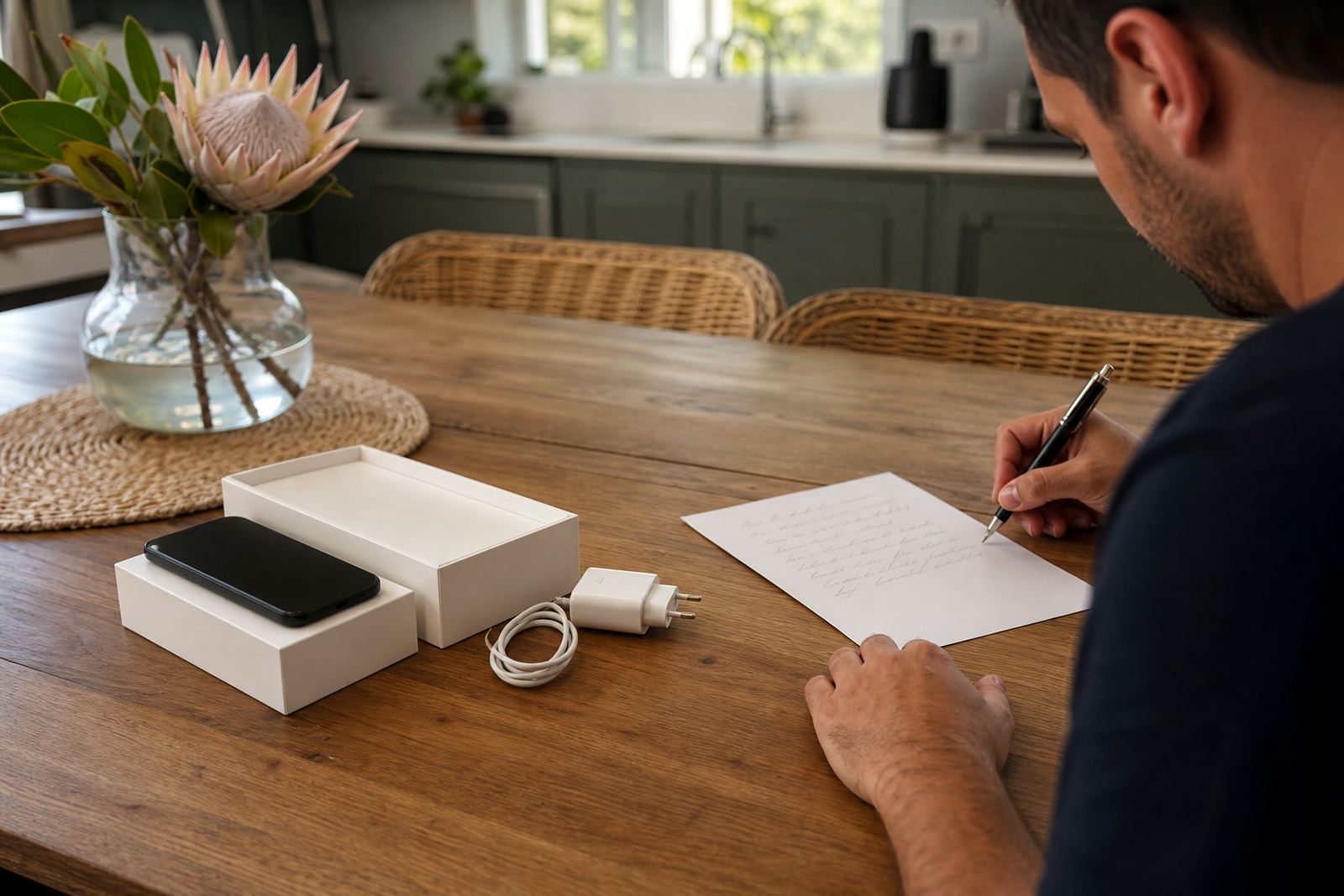



Start With the Why, Not the Device
The best first phone conversation begins before anyone shops for a handset. Parents often focus on data, battery life and whether a child can handle a new phone, but the real question is how the family wants the phone to fit into daily life. That conversation is easier when it starts with clear reasons, such as safety, after-school logistics, homework access and keeping family contact simple.
A calm, practical tone usually works better. A first phone is usually about trust with some guard rails, not a reward for being perfect. In our work with families across South Africa, we find that children cope better when adults explain the rules upfront and stick to them consistently. If there are concerns about behaviour, sleep, attention or conflict around devices, speak to a qualified professional for proper guidance because this is not medical or psychological advice.
Agree on the Non Negotiables Before the SIM Is Swapped
Before the phone is handed over, parents can set a few non negotiables. These are the rules that apply every day, not just when everyone is tired or annoyed. A good rule set is short enough to remember and specific enough to use.
- No phones at the dinner table or during family time.
- Charging happens outside the bedroom at night.
- Schoolwork comes first on weekdays.
- New apps need parent approval first.
- Location sharing is on if the family agrees it is needed for safety.
It is worth being clear about consequences too. If the phone is misused, the next step should be known in advance, whether that means a shorter screen-time window, removing one app, or reviewing the whole arrangement again. Children understand boundaries better when the response is predictable and fair, not made up in the moment.
Set Screen-Time Limits That Match Real South African Routines
Screen-time limits work best when they fit the family rhythm, not some ideal schedule that no one in Durbanville or Durban can keep. A child with cricket practice, homework and a long taxi ride home may need a different plan from a child who gets home earlier and has more free time. The point is to match the limit to the week as it actually is.
Many parents find it useful to separate weekdays from weekends, and to separate active use from background scrolling. Messaging a parent, using maps or listening to music is not the same as endless short-form video.
- Set a daily limit for entertainment apps.
- Allow extra time for school-related tasks if needed.
- Use cut-off times for evenings, especially on school nights.
- Review the limits after 2 or 3 weeks and adjust where needed.
Use Parental Controls as Support, Not Surveillance
Parental controls can help families manage a first phone without turning every interaction into a dispute. The aim is not to spy, it is to create a safer starting point while the child learns good habits. Most families use a combination of app approval, content filters, purchase restrictions and screen-time schedules.
It is useful to explain what the controls do and why they are there. If a child knows that certain apps are blocked after bedtime or that new downloads need permission, the rules feel less random. Parents should also check settings after updates because a reset can change permissions without warning. In coastal areas such as Cape Town and Gqeberha, families often worry about phones being out and about in humid weather, so keeping the device protected and the settings current matters more than people think.
Talk About Messages, Photos and Group Chats Early
A first phone conversation should include messaging, not only screen time. Children need help understanding what belongs in a private chat, what should never be shared and when to show a parent a message. This includes rude messages, unwanted contact and anything that feels off.
Photos and group chats should be covered before problems start. Explain that a photo sent to one person can be forwarded many times, even if that was not the intention. A simple family rule can save a lot of trouble: if you would not want it shown to a teacher, grandparent or coach, do not send it. That may sound strict, but it gives children a clear frame for digital behaviour and it is easier to remember than a long lecture.
- No sharing of full name, school name or address with strangers.
- Ask before adding a child to new group chats.
- Screenshot and save anything that feels threatening or inappropriate.
- Keep location sharing limited to trusted family members only.
Make Room for Family Media Plans and Regular Check Ins
Writing the plan down gives everyone in the home something clear to work from. It turns the first phone from a one-time conversation into an ongoing routine. This can cover school nights, weekend time, holiday use, sibling fairness and what happens when the rules need changing. Families do not need a fancy document, just something written down and shared.
Check ins are important because children grow fast and phone habits change fast too. What works at age 10 may not work at age 13. A short monthly review can cover whether the limits still suit the child, whether schoolwork is affected and whether the household is getting enough face-to-face time. In our Durbanville base, we often hear from parents who want a plan that works for busy mornings, shared cars and grandparents helping after school. That is the kind of real life a phone plan should fit.
What Parents Should Cover Before Handing Over the Phone
There is no single perfect script, but there are a few points almost every family should cover before the first phone is handed over. The conversation is simpler when it is direct and unhurried, even if there are a few awkward moments along the way.
- Why the child is getting the phone now.
- Which apps are allowed and which need permission.
- When the phone must be put away each day.
- What to do if something upsetting appears on screen.
- How parents will review the settings and limits over time.
Parents do not need to have every answer on day one. They do need a clear starting point, patience and a willingness to revisit the plan as the child matures. That makes the first phone less of a free-for-all and more of a shared routine, which is usually what families are after anyway.