



Paarl parents needed one clear rule set
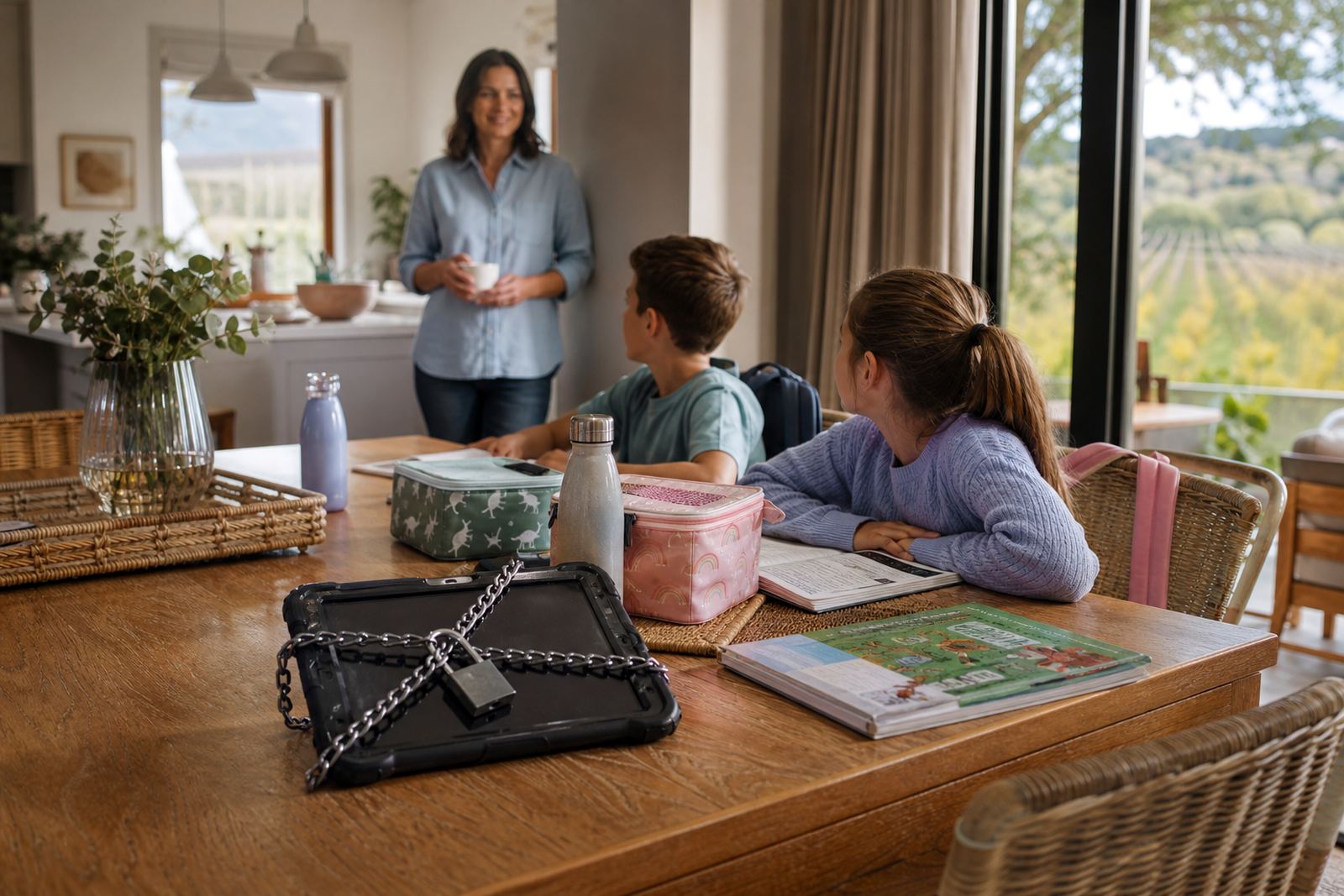
This project came from a Paarl family with children in the primary school years, where the main challenge was not just too much screen time but different rules on different days. Weeknights were crowded with homework, sport, dinner, bath time and homework again, so phones and tablets often became the easy option when the house got busy. The parents wanted a practical plan they could actually keep to, with less arguing and more consistency.
The brief was straightforward. Set app caps by age and use, create mealtime lock rules, and give the parents a way to manage devices without having to reset everything each evening.
What we had to keep in mind
The main constraint was that both parents needed a shared approach. One parent was stricter around gaming, the other was more relaxed with educational apps, and that mismatch was causing confusion for the children. We also had to keep the plan simple enough for busy mornings and tired evenings. If a rule takes ten steps to apply, it wont last long in a real home.
- Primary school age children with mixed device use
- Need for clear app caps and bedtime cut-offs
- Mealtime lock rules that apply whether the day is busy or calm
- Family members using different devices and logins
We also kept in mind that screen-time guidance is not medical or psychological advice. For concerns about behaviour, sleep or family stress, it is always best to speak to a qualified professional. Our role here was to help the family organise device use and communication around it.
The family media plan we put together
We supplied a family media plan session and a first phone planning session, then mapped the home routine around school days, weekends and special exceptions. The plan covered app caps, device-free meal times, bedtime rules and the order in which notifications should be handled. We also set up simple family agreements so both parents could back the same rules without long debates at the table.
The focus was on making the digital routine predictable. Instead of reacting when a child asked for one more game or video, the parents had a clear structure already in place. That helped reduce repeated negotiations and gave the children a sense of what to expect.
- Daily app caps for school days and weekends
- Mealtime lock rules for breakfast, lunch and supper
- Bedtime cut-offs for devices kept in bedrooms
- Age-based app permissions for games, video and messaging
- Simple parent overrides for homework or travel days
Key facts from the setup
The setup was built around everyday use rather than ideal use. We kept the steps short, tested the rules against a normal Paarl family week, and made sure each parent could manage the settings without needing extra help. The children were primary school age, so the language and boundaries had to be plain, calm and firm.
The plan also included guidance for special cases such as family braais, long car trips and school events where devices can be useful for a short period. Those exceptions were written down so they did not become the new normal. A small detail, but an important one, was setting the same mealtime rule for both weekdays and weekends. That removed a lot of last minute back and forth.
- Project type: family screen-time coaching and parental control planning
- Town: Paarl
- Household focus: primary school children
- Main rules: app caps, mealtime locks, bedtime limits
- Support needed: co parenting alignment and sibling fairness
- Timeline: 3 weeks from first session to final handover
What changed after the first few weeks for families
By the end of the project, the family had a much more predictable routine around devices. The parents no longer had to argue through every request because the rules were already agreed and visible. Meals became less interrupted, and the children knew when screen time was available and when it was not. That alone made the home feel less reactive.
We also noticed better follow through on the shared rules. When both parents used the same limits, the children adjusted more quickly. There was less bargaining at bedtime and fewer reminders around the dinner table. Not perfect of course, but much steadier than before.
- Clearer device expectations for school nights
- Fewer disputes about extra screen minutes
- More consistency between two caregivers
- Better protection of meal and sleep routines
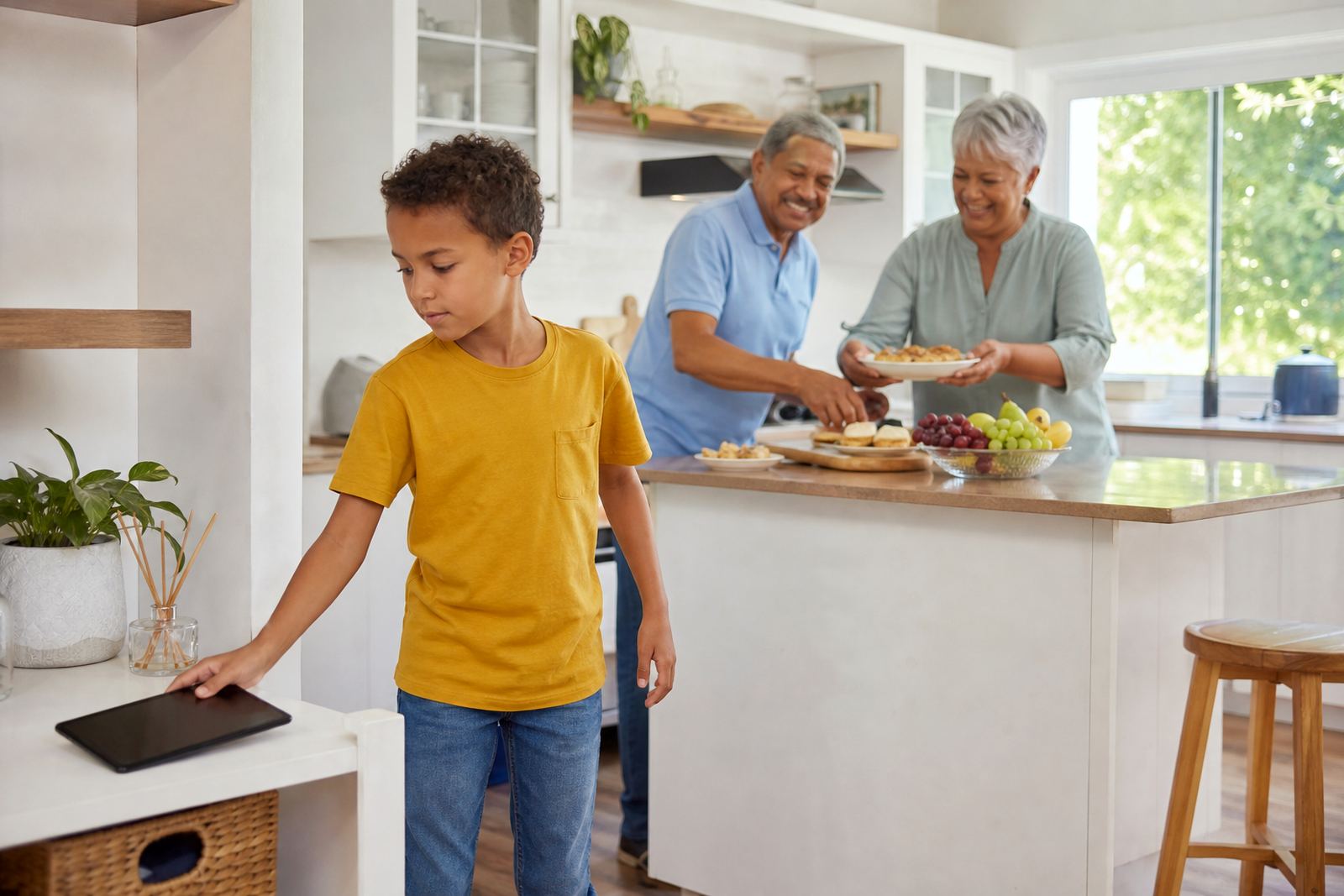
- Simple rules that could be repeated by grandparents too
What we would do again for another Paarl family
We would use the same approach again for any Paarl family with primary school children who need practical limits, not a complicated system. Start with the daily routine, then build the app caps and lock times around it. That makes the plan easier to follow when the day is messy, which it often is in a busy home. It also gives parents one shared script instead of two separate versions.
If we repeated this project, we would still begin with the family media plan session, then add the special rules for mealtimes, homework and bedtime. We would keep the wording plain, allow for a few sensible exceptions, and make sure the parents can manage everything from their own phones. That is what makes the arrangement usable over time.
For a family plan, write to Screenage through the contact page form with your children's ages and devices when they want help with family screen rules, first phone planning, teenage resets or support for grandparents who help with childcare. In this case, the result was a steadier routine and a plan that fitted the family instead of fighting it.
Quick facts
| Client type | Paarl family with primary school children |
|---|---|
| Town | Paarl, Western Cape |
| Service mix | Family media plan, first phone planning, co parenting alignment |
| Core rules | App caps, mealtime lock rules, bedtime limits |
| Timeline | 3 weeks |
| Base | Durbanville, Cape Town |