



Why screen free time needs a plan, not just good intentions
Most families do not struggle because they do not care. They struggle because screens are always close by, and evenings fill up fast with messages, homework, sport, traffic and tiredness. If you want regular time away from phones, tablets and televisions, it helps to treat it like any other family routine: decide when it starts, what happens instead, and how long it lasts.
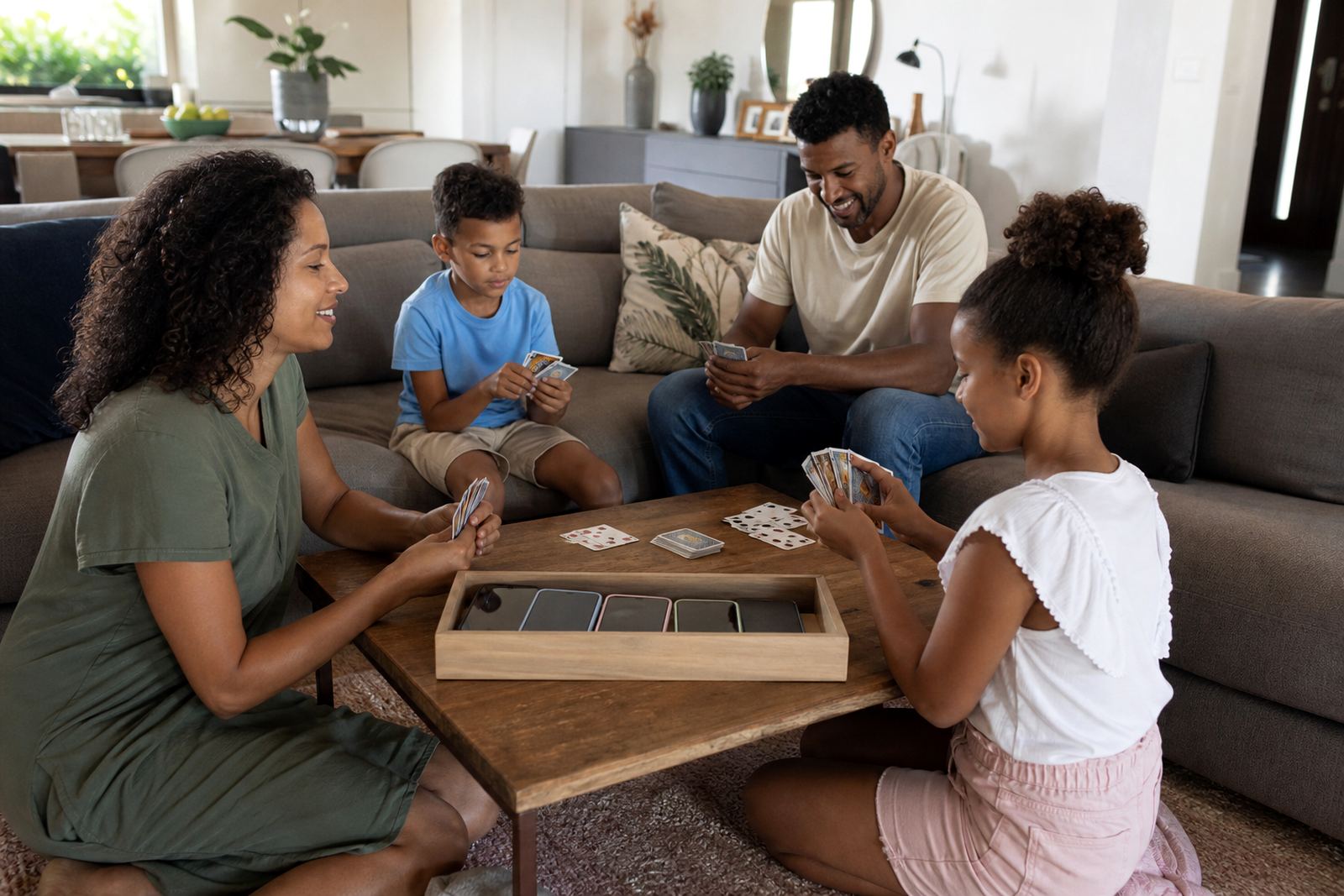
Simple rules for shared time can help put this into practice. That might be dinner with no devices, the first 30 minutes after school for talking and snacks, or one screen free evening each week. The point is not perfection, its consistency. Children are more likely to accept limits when they know what to expect.
Start with one daily moment that everyone can keep
Do not begin with a full weekend ban unless your household is ready for it. Start small and choose one repeatable moment in the day. Many parents find that the best place is the table, the car after school pickup, or the hour before bedtime. A short and steady routine usually works better than a big rule that nobody can keep for long.
- Keep one meal each day device free.
- Use the first 20 to 30 minutes after school for talk, snacks and unpacking bags.
- Switch off TVs one hour before bed, especially during school weeks.
- Put chargers in one shared spot so devices are not spread through the house.
If you are trying to cut down evening arguments, choose a start time that suits your family flow. In Durbanville, for example, a family may agree that the TV stays off during supper and that everyone parks their phone in the kitchen before homework begins. It is a simple routine, but it cuts down on the constant back and forth.
Make the off-screen time feel worth showing up for
If screen free time feels like punishment, children will resist it. If it feels like something the family enjoys, they are more likely to join in. The activity does not need to be fancy. It just needs to be easy to start and easy to repeat on a school night or Saturday morning.
- Board games, cards or simple dice games.
- Cooking together, even if it is just pancakes or vetkoek.
- Neighbourhood walks, bike rides or a kickabout in the yard.
- Reading aloud, puzzles or drawing at the kitchen table.
- Music time, where one person chooses a song and everyone joins in.
For younger children, shared play works well. For older ones, give them a role. They can set the table, choose the playlist for the evening, or help plan Sunday breakfast. When children help shape the routine, they are less likely to see it as a lecture.
Use parental controls to support the boundary at home
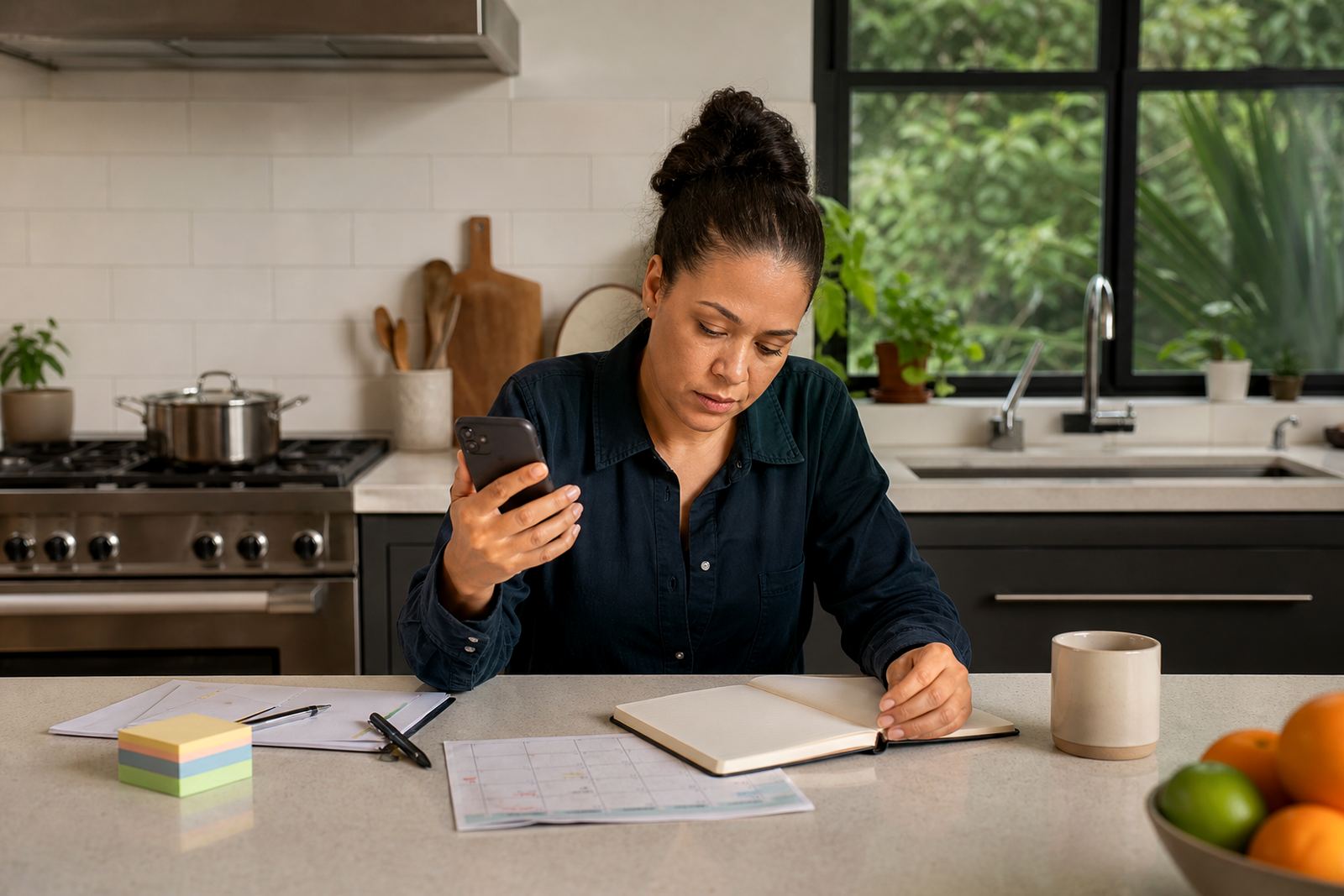
Parental controls are not only about blocking content. They can also support family routines by helping you manage access to apps, set device downtime and keep phones out of shared spaces. This is useful when parents are tired, working late or managing more than one child with different routines.
A practical setup can include app limits during homework hours, bedtime cut-off settings and separate rules for weekdays and weekends. Some families also use screen-time coaching to agree on boundaries together, instead of arguing every evening about the same issue. The idea is to make the limits visible and fair, not hidden or random.
- Set a daily screen limit for entertainment apps.
- Allow study apps and school messaging separately.
- Use bedtime settings so devices pause overnight.
- Review game and social app access after exams or holidays.
That said, no setting replaces adult supervision and family conversation. If you are unsure about your child’s behaviour, habits or wellbeing, speak to a qualified professional for guidance.
How to handle resistance without turning every evening into a fight
Most pushback comes when the rule feels sudden or unfair. Children may say they need the screen for relaxing, chatting or finishing something important. Listen first, then keep the limit steady. A calm tone usually works better than a long argument, even when the mood in the house is tense.
Try a simple script: explain the rule, give the reason, and offer the next step. For example, “Phones go away during supper. You can check your messages after we finish and clear the table.” That is clear and respectful. If you keep changing the rule every night, children will keep testing it.
Screen-free time should not become the family's only topic of conversation. Make space for laughter, stories, and ordinary conversation. If everyone only hears about rules, the routine starts to feel heavy very quickly. A small slip here and there is normal, but the pattern should stay firm.
A local example from a busy Cape Town family
Consider a family in Durbanville with two school-age children, one parent working from home and another commuting into Cape Town. Weekdays were crowded with homework, sport, dinner and messages from groups. The parents chose one screen free window from 6 pm to 7 pm, Monday to Thursday. During that hour, phones went on charge in the kitchen and the family either ate together, walked the dog or played a short game before homework finished up.
They did not try to remove screens from the whole day. They just protected one regular block of time and made it predictable. After a few weeks, the children started reminding the adults when it was time to put devices away. That matters, because the routine then becomes part of the household culture instead of a parent versus child issue.
Keeping the habit going through holidays, weekends
School terms are usually easier to structure than holidays, but the same principle still applies. Plan ahead so you are not trying to set a rule in the middle of chaos.
Keep the list practical: cards, colouring books, a torch, a puzzle, or a walk when the weather allows it.
The goal is not to make screens the enemy. It is to make room for proper family time, where people look at each other, talk without rushing and do something simple together. That is often where the best habits start, one ordinary evening at a time.