

Why the rule works for ordinary school weeks
Homework before entertainment gives children a clear order for the day. It helps separate school tasks from games, videos and social apps, which can reduce the constant back-and-forth that often happens after school. The rule is simple enough for younger children to follow, and clear enough for teens to understand without long arguments.
In many homes the real benefit is not only less screen time, but less confusion. When the rule is explained once and kept steady, parents do not need to negotiate every afternoon. That can matter in busy families where one child comes home at 2pm and another only gets back after sports, taxi delays or aftercare. One rule can still work, but the timing needs a bit of tuning.
Start with a family media plan, not a vague promise
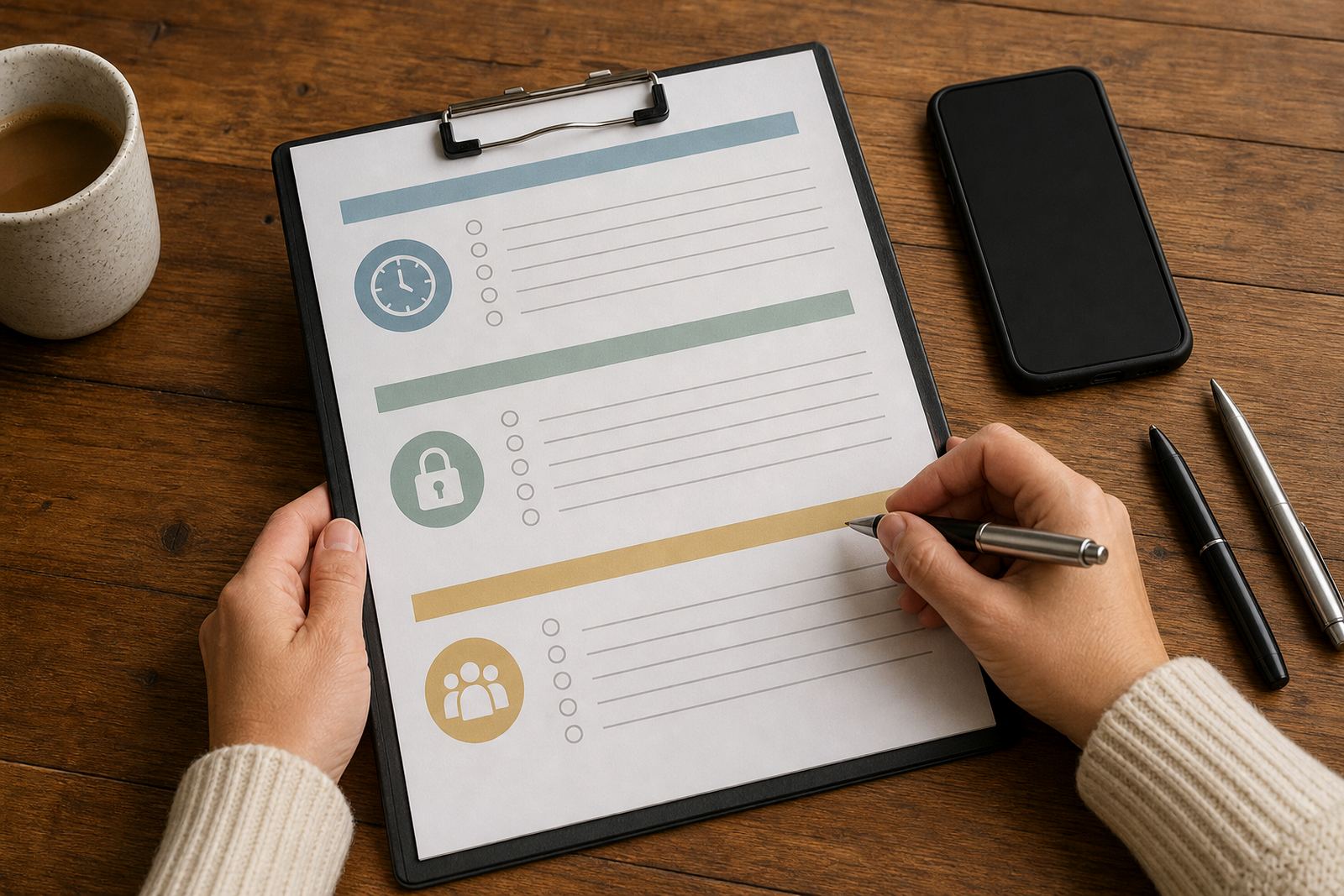
A homework first routine works best when the family has a media plan that covers school days, weekends and holidays. The plan does not need to be long. It just needs to answer a few practical questions so everyone knows what to expect.
- When does homework start after school?
- Which devices are allowed before work is done?
- What counts as entertainment, such as games, streaming or social apps?
- Who checks that the homework is actually finished?
- What happens if homework is light, but reading or revision is still needed?
Some families in Durbanville set a simple rule: bags down, snack, homework, then screen time. In Johannesburg it might be homework before supper, then 30 to 60 minutes of leisure screens if the day was steady. The exact timing matters less than consistency. If the rule changes every day, children learn to test it.
Make the screen time limit match the school load
Homework before entertainment should not become a rigid punishment. A child in Grade 3 with a short reading task does not need the same setup as a high school learner with a project, maths corrections and test prep. The idea is to link screen time to responsibility, not to create stress around every worksheet.
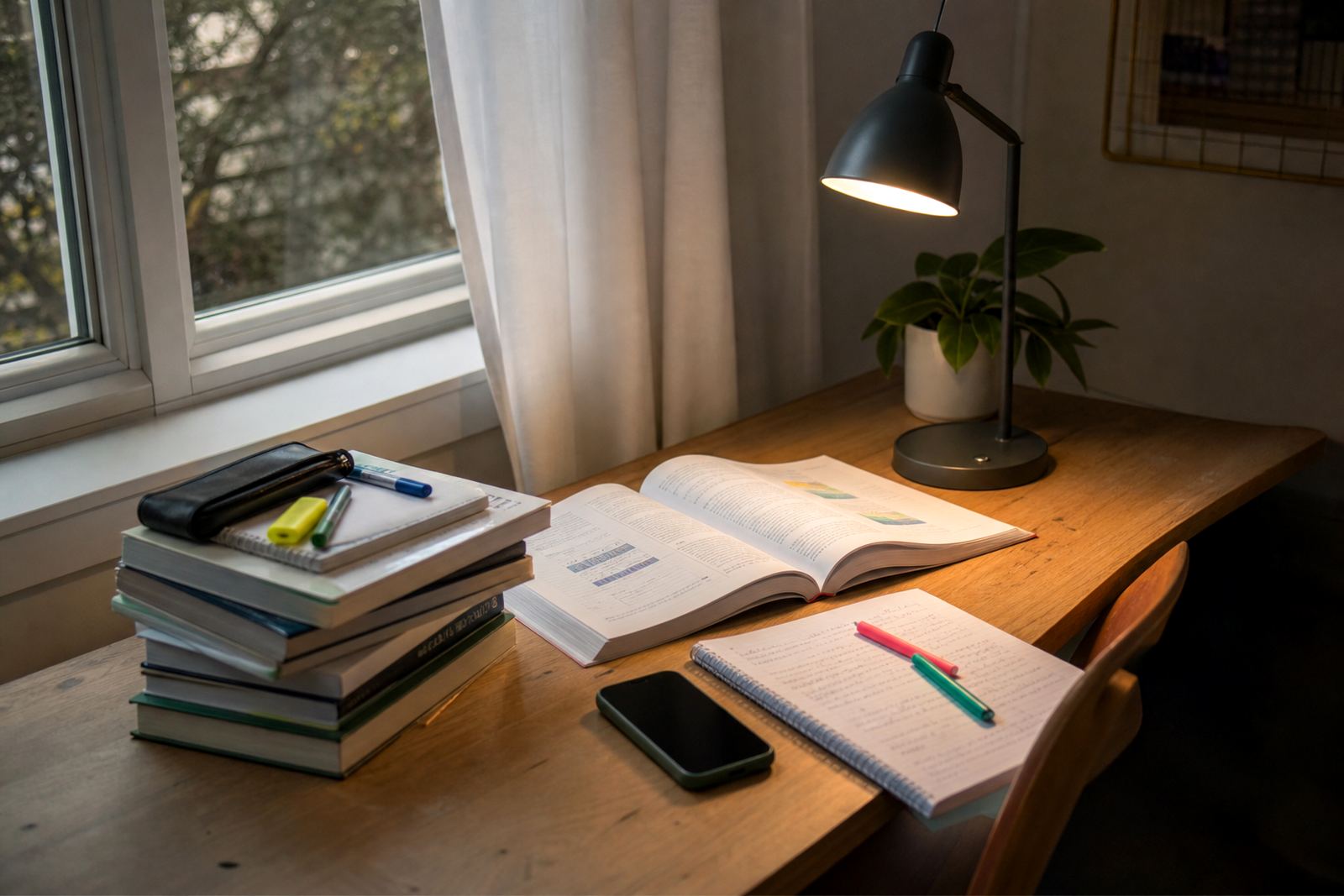
It helps to set simple conditions. For example, entertainment screens can only open once the homework folder is packed away, spelling is checked, and the parent has seen the completed work. For older children, the rule can include study time as well, especially during exams. If your child needs a break between tasks, that is fine, but the break should be short and planned. A 10 minute snack break is very different from an hour of videos.
- Use a timer so the homework block has a clear start and end.
- Keep devices out of the room during focused schoolwork if that is a problem.
- Allow extra screen time only after a genuinely heavy study day.
- Link weekday entertainment to effort, not to begging or arguing.
Parental controls can support the rule without constant policing
Parental controls are useful when they support the household rule rather than replace it. App limits, downtime settings and device schedules can help stop the endless “just five more minutes” cycle. They also reduce the need for repeated reminders, which can wear parents down over time.
A practical setup often includes a homework window with open access to learning apps, and a later entertainment window for games or social platforms. Some parents prefer to pause certain apps during school hours, while others allow them only after homework is marked complete. It depends on the age of the child, the device being used and the family routine.
- Set downtime for the hour when homework usually happens.
- Allow learning apps, but restrict entertainment apps until later.
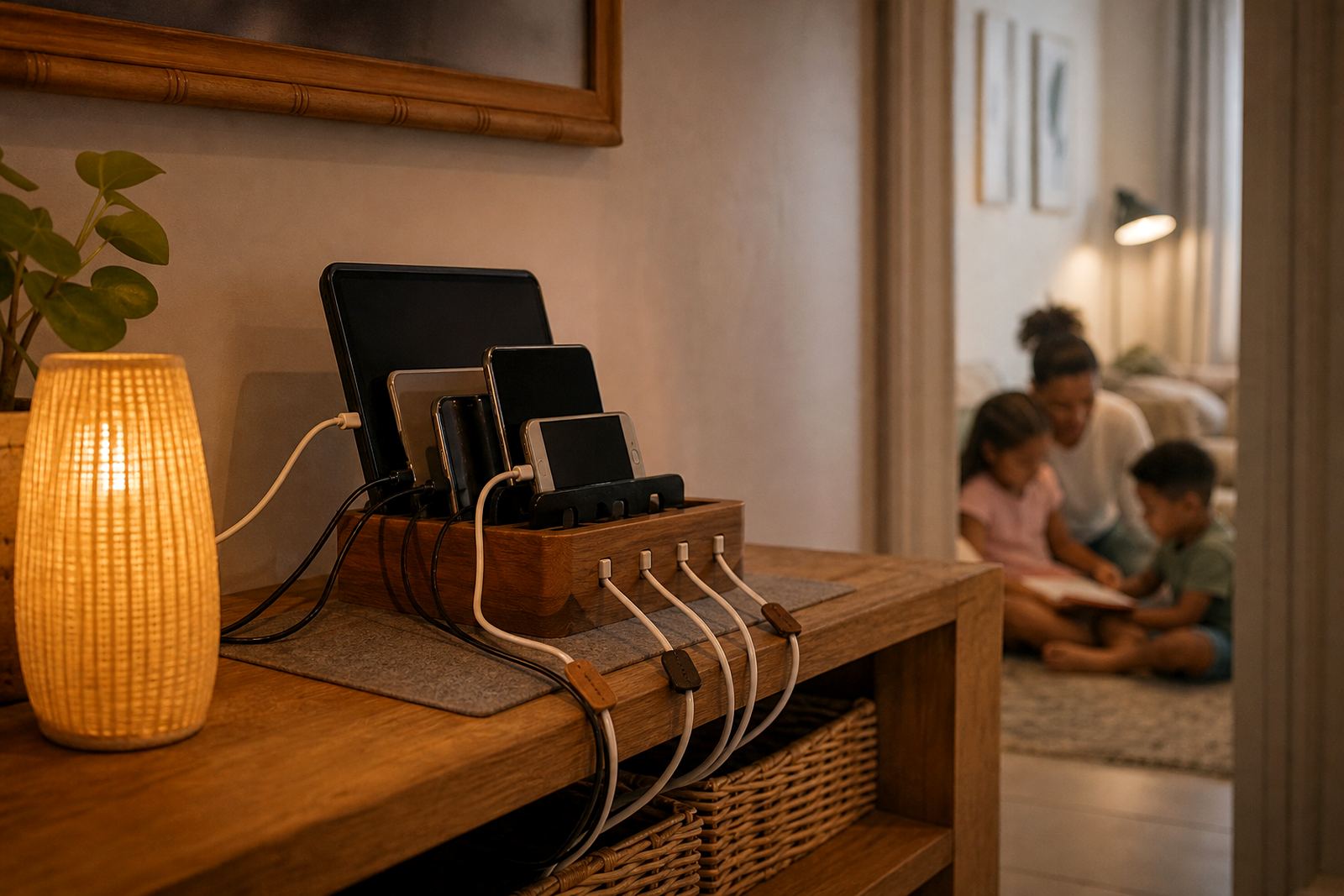
- Use device limits for shared family tablets and phones.
- Review settings before exams, holidays and school reports.
When homework comes second, the rule becomes the problem
If a child knows screens will come first no matter what, the homework rule loses value. That is when parents start seeing rushed work, half-finished tasks and last-minute stress before school. It can also lead to family arguments because the child is not being asked to choose between work and play, only between now and later.
There are times when exceptions make sense. A learner might have a late sports fixture, a school event or a poor signal day that delayed online work. In those cases, parents can adjust the rule without dropping it altogether. The key is to say, clearly, that the normal order still stands. A one-off exception should not become the new habit.
A Durban afternoon example that feels familiar
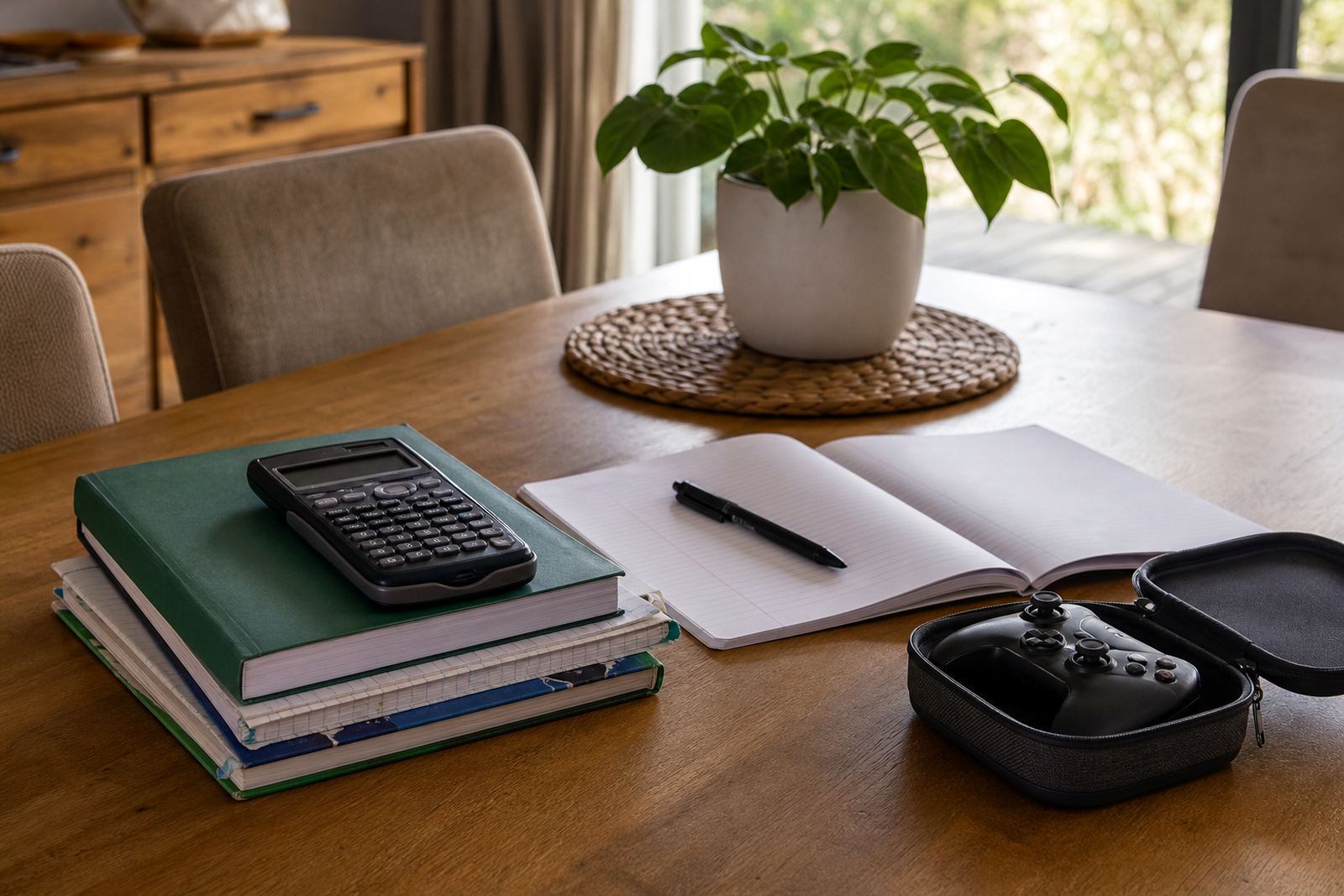
Picture a Grade 5 learner in Durban coming home after school. There is a snack, a short rest, then reading and maths corrections at the kitchen table. The child wants to play on a phone and watch clips first, but the family keeps the rule steady. Homework gets done while energy is still decent, then there is a set block for games or shows before supper. Everyone knows what comes next, so there is less drama.
That same idea can work in larger households too, where siblings share devices and parents juggle work, traffic and errands. If one child finishes early and another needs more time, the family can use staggered screen periods rather than a free-for-all. This is often easier than trying to keep one device open all afternoon. It also helps children see that screen time is earned through follow through, not noise.
Keep it realistic, then review it every few weeks
Rules that feel too strict usually break. Rules that are too vague are ignored. The best homework before entertainment routine sits somewhere in the middle, where children can understand it and parents can live with it. A family media plan gives you that middle ground, especially when it covers school weeks, sports seasons and holiday changes.
It is worth checking the rule every few weeks. Ask whether homework is getting done earlier, whether the device limits still fit the child’s age, and whether one sibling is getting a fairer deal than another. Small changes are normal. The point is to keep the order of the day clear, not to make every afternoon a battle.