




What First Phone Planning Covers
This session is for parents who are handing over a first phone and want a proper plan before the device becomes part of daily life. We look at the child’s age, school needs, travel routines, aftercare, family norms and the practical pressures that come with a first phone, including group chats, games and late-night use.
By the end of the session, you have a clear home agreement rather than guesswork. That usually includes screen-time limits, which apps can be installed, when the phone is charged overnight, what happens during homework hours and how parents will check in. The aim is not to make a child feel policed, but to create predictable boundaries that everyone can live with.
- Device rules for weekdays, weekends and holidays
- Parental controls for downloads, age ratings and purchases
- House rules for calls, messaging and social apps
- Bedtime and charging placement guidance for the home
How The Session Runs
We start with a short intake so we understand the child’s age, school timetable, split households if relevant, and whether the family needs tighter controls or a lighter approach. Then we work through the practical setup and the rule set together. If a parent wants, we also help shape the wording so the child can understand it without a long lecture.
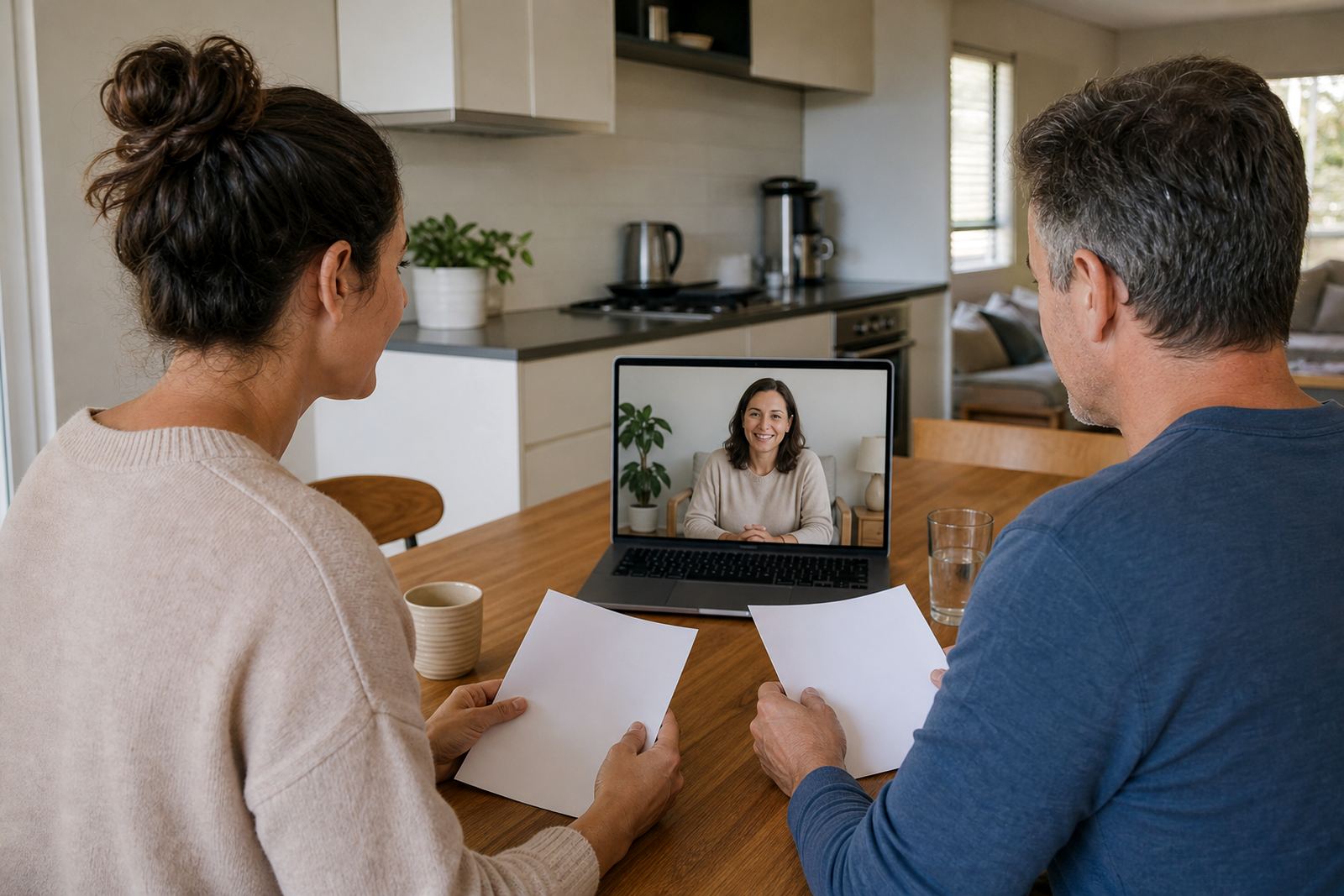
The session is done remotely for families across Cape Town, Durbanville, Johannesburg, Durban, Pretoria and Bloemfontein. A missing rule on day one can turn into daily arguments later, so we keep the process direct and usable.
- Step 1: Family intake and goals
- Step 2: First phone rules and limits
- Step 3: Controls, settings and approvals
- Step 4: Parent review and follow-up summary
What Is Included In The Setup For Families
We cover the essentials needed for a first device in a South African home. That includes screen-time limits by time of day, app approval rules, contact boundaries and practical safety settings. We also talk through how to manage school transport, sports afternoons, busy weekends and times when a child may be on their own at home.
The session can include a family media plan where parents decide what is allowed on the phone, what stays off the device, and what needs parent sign-off first. If the child is likely to use the phone for homework platforms or messaging, we make room for that too. The focus is on normal family use, not perfection, and it helps to keep the rules written down so there is no confusion later.
- Time limits for weekdays and weekends
- App approval and content restrictions
- Messaging and call expectations
- Homework, gaming and entertainment boundaries
Suggested Device And Control Specs
There is no single perfect phone for every child, but first-phone planning works best when the device is simple enough for the family to manage. We normally recommend a handset with reliable battery life, a screen size that is comfortable for reading school messages, and enough storage for essential apps without filling up too quickly. A sturdy cover and screen protection are sensible, especially for younger children and busy school bags.
We also check that the family can use built-in parental controls properly. On many devices, that means setting a passcode known only to the parent, limiting purchases, blocking unknown contacts and turning on downtime at night. In coastal areas such as Durban and parts of Cape Town, we often remind parents about humidity, heat and charging habits because small details can shorten the life of a device if they are ignored.
- Battery: full school day use with margin for transport delays
- Storage: enough for messaging, school apps and a few approved extras
- Controls: passcode-protected parent settings and app approval
- Accessories: protective case, screen cover and safe charging cable
Turnaround, Pricing Approach And Follow-Up
After the session, families receive a practical summary with the main rules, the agreed limits and the actions to complete at home. Turnaround is usually quick because this is meant to support a first phone at the point it enters the household, not weeks later when everyone is already frustrated. If needed, we can also help with a second review after the child has used the phone for a while.
Pricing is quoted according to the family’s needs, the amount of setup required and whether one parent or both parents need to be included. Some families only need a single planning session, while others want a fuller family media plan and more detailed control settings. We keep the approach practical and itemised so parents know what they are paying for, which helps when budgets are already under pressure.
- Single-session planning for simple households
- Extended setup for split care or more complex rules
- Optional review session after the first few weeks
Maintenance And Rule Review Intervals
First phone rules should not stay fixed forever. A child changes fast, school demands shift and the first phone often needs a different structure after the first month or term. We usually suggest a review after two to four weeks, then again at the next school term or whenever there is a new issue such as late-night messaging, gaming creep or too much time on short-form video.
Families who want a steady rhythm can build in monthly checks at first, then move to termly reviews once the pattern is settled. That keeps the plan realistic instead of letting it drift. If there are new concerns, it is better to adjust the limits early than wait for a fight over every notification. For some homes, the first phone is where habits begin, so small corrections matter more than big speeches.
Quick facts
| Service | First Phone Planning |
|---|---|
| Session format | Remote family coaching and setup guidance |
| Core outcome | A written first phone rule set with parental controls |
| Typical review interval | 2 to 4 weeks after launch, then termly or as needed |
| Coverage | Cape Town, Durbanville, Johannesburg, Durban, Pretoria, Bloemfontein and other South African families |
| Price approach | Quoted to the family’s setup needs and support level |